How to support healthy testosterone naturally: the AlphaErec guide
To support healthy testosterone naturally means using everyday sleep, training, nutrition, weight and stress habits — and, if you choose, well-studied nutrients like zinc, vitamin D and ashwagandha — to help keep testosterone that is already within a normal range on steadier ground. It is about consistency over extremes, and it works alongside, not instead of, the guidance of your doctor.
The fastest route to steadier testosterone, in one place.
- The goal
- Support the body's own hormone production so energy, drive and confidence stay more even, rather than chasing a number.
- Biggest levers
- Sleep first, then resistance training, a healthy body-fat range, enough protein and fat, and managing chronic stress.
- Sleep rule
- Most testosterone is made while you sleep, so seven to nine consistent hours is the single highest-return habit.
- Where supplements fit
- Zinc, vitamin D and adaptogens such as ashwagandha can support the routine, but they are not a treatment for a diagnosed deficiency.
- Timeframe
- Sleep and stress changes can help within weeks; training, weight and nutrition usually show over several weeks to a few months, and results vary.
If you have noticed flatter energy or a drive that is harder to find, you have felt what shifting hormones can do. For most men the aim is simply steadier ground, and the levers with the most influence are the everyday ones — where a botanical formula like AlphaErec can also play a supporting role.
What does it mean to support testosterone naturally?
Supporting testosterone naturally means using sleep, training, nutrition and stress management to help your body do what it already does: produce hormones on a healthy daily rhythm. It is not a cure and not a shortcut; it is a set of small, repeatable choices. Two ideas anchor everything below: consistency beats intensity, and these habits stack.
Why does testosterone drift lower with age?
Testosterone is the primary male sex hormone, involved in energy, muscle, mood, libido and confidence. From roughly the age of 30, average levels ease down by about one to two percent a year — a slow drift rather than a cliff. Several ordinary factors widen that decline: short sleep, rising body fat, a sedentary week, chronic stress, and a diet low in the nutrients hormone production depends on — each of which you can nudge in the other direction.
What are the most effective everyday habits?
1. Protect your sleep first
Most of your daily testosterone is produced during sleep, particularly in the deeper and REM stages, so sleep is the highest-return habit on this list. Studies of men whose sleep is cut short show measurable drops in testosterone the very next day. Aim for seven to nine hours on a consistent schedule, keep the room cool and dark, and treat a regular bedtime as seriously as a workout.
2. Lift heavy things, and move often
Resistance training — squats, deadlifts, presses, rows — is the form of exercise most associated with supporting healthy testosterone, because it recruits large muscle groups and drives an acute hormonal response. You do not need a barbell to start; bodyweight movements and dumbbells work. Two to four sessions a week, plus daily walking, is a realistic, sustainable target that also helps with body composition.
3. Keep body fat in a healthy range
Excess body fat, especially around the midsection, is linked with lower testosterone, partly because fat tissue converts testosterone into estrogen. You do not need to chase a six-pack; simply moving toward a healthier waistline through the habits in this guide tends to support better hormonal balance on its own.
4. Eat for your hormones
Very low-fat and very low-calorie diets can work against testosterone, because the body builds hormones from cholesterol and dietary fat. Aim for enough protein to support muscle, healthy fats from sources like olive oil, eggs, fish and nuts, and plenty of whole, colorful plants. Two nutrients deserve special mention: zinc, which contributes to normal testosterone levels, and vitamin D, which behaves like a hormone precursor — and both are nutrients many men fall short on.
5. Manage stress and limit alcohol
Chronic stress keeps cortisol high, and cortisol works against testosterone. Simple decompression — a walk, slow breathing, time outdoors, time away from screens — genuinely helps. Heavy alcohol use is another quiet suppressor, so keeping drinking moderate is one of the easier wins.
See how AlphaErec fits your routine →
How do the core habits compare?
A “fast” habit is one you can feel within a week or two; a “slow” habit reshapes your baseline over weeks to months. Both matter. This table sorts the core levers by how quickly they help and how much effort they ask.
| Habit | Why it helps | Time to notice |
|---|---|---|
| Consistent 7–9 hr sleep | Most testosterone is made during sleep | 1–2 weeks |
| Resistance training | Large-muscle work drives a hormonal response | Weeks |
| Healthy body-fat range | Less conversion of testosterone to estrogen | Weeks to months |
| Enough protein & healthy fat | Raw materials for hormone production | Weeks |
| Lower chronic stress | Less cortisol working against testosterone | Days to weeks |
| Moderate alcohol | Removes a quiet suppressor | Weeks |
Which nutrients are part of the conversation?
Supplements are a supplement to the habits above, not a substitute, and never a treatment for any condition. Still, a handful of nutrients have long been part of the healthy-testosterone conversation. Here is a snapshot of the best-known ones, several of which appear in AlphaErec.
| Nutrient | Why it is discussed | Traditional / general role |
|---|---|---|
| Zinc | Essential mineral | Contributes to normal testosterone levels and fertility; a common shortfall in men's diets. |
| Vitamin D3 | Hormone-like vitamin | Behaves as a steroid-hormone precursor and supports normal muscle and immune function. |
| Ashwagandha | Adaptogen | Studied for stress, recovery and vitality; used for centuries in Ayurvedic tradition. |
| Fenugreek | Culinary botanical | Popular in men's formulas for hormone-balance and vitality support. |
| Tribulus & maca | Traditional botanicals | Long associated with drive, stamina and everyday performance. |
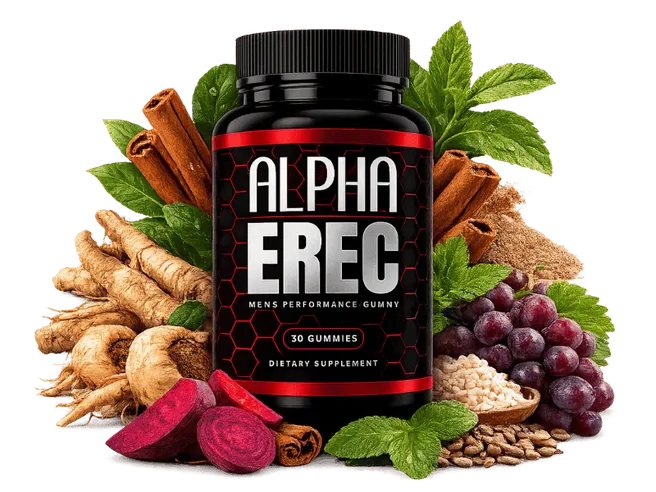
AlphaErec brings several of these together: zinc and vitamin D3 as a nutrient base, plus ashwagandha, fenugreek, tribulus and maca among its botanicals — delivered as a berry-flavored daily gummy rather than a pill. For a closer look, read our guide to L-arginine and L-citrulline for blood flow, or see the full ingredients section.
Make it a daily habit
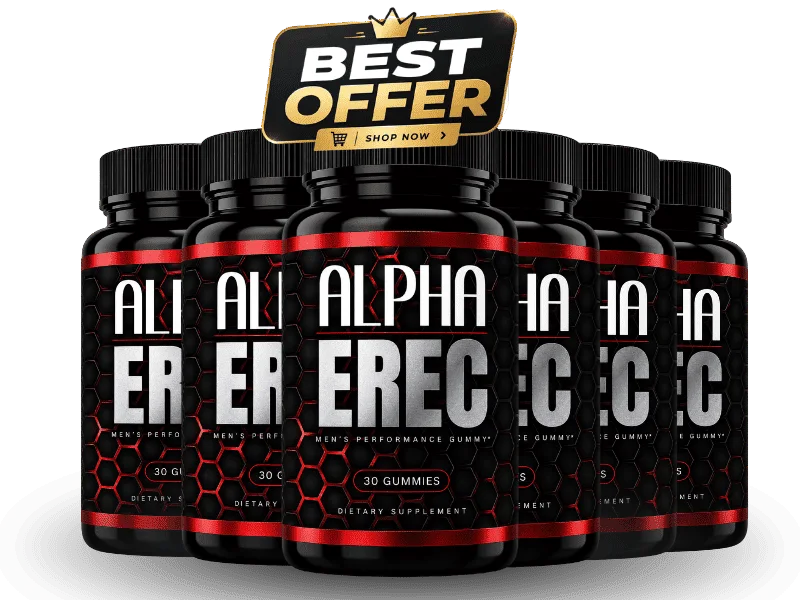
AlphaErec is a once-daily berry gummy pairing 8 clinically studied botanicals with zinc and vitamin D3. The six-bottle bundle is the best value at $49 per bottle, with free U.S. shipping and a 60-day guarantee.
Order AlphaErec — from $49/bottleHow do you build a simple daily routine?
The best routine is the one you will keep. Rather than overhauling everything at once, stack one small habit at a time until each feels automatic:
- Anchor a consistent bedtime so sleep does the quiet, heavy lifting.
- Train against resistance two to four times a week.
- Build meals around protein, healthy fat and plants.
- Walk daily and keep moving through the day.
- Decompress on purpose to keep cortisol in check.
- Take any supplement at the same time daily — for AlphaErec, one berry gummy each morning.

When should you talk to a doctor?
Natural habits support testosterone already within a normal range; they are not a replacement for medical care. Speak with your doctor if you have persistent symptoms such as ongoing fatigue, low libido or mood changes — a simple blood test can tell you where you stand. If you take any medication or have a diagnosed condition, check before adding a new supplement.
Frequently asked questions
What does it mean to support testosterone naturally?
It means using everyday sleep, training, nutrition, weight and stress habits — and, optionally, well-studied nutrients like zinc, vitamin D and ashwagandha — to help keep testosterone already within a normal range steadier. It complements, rather than replaces, medical care.
Which habits matter most for healthy testosterone?
Sleep is the biggest lever, followed by resistance training, keeping body fat in a healthy range, eating enough protein and healthy fats, and managing chronic stress. These stack: each helps a little, and together they help a lot.
Do supplements like zinc, vitamin D and ashwagandha help testosterone?
Zinc and vitamin D contribute to normal testosterone when you are deficient, and ashwagandha is an adaptogen studied for stress and vitality. They support the routine rather than replacing sleep, training and nutrition, and medication users should ask a doctor first.
How long does it take to notice a difference?
Better sleep and lower stress can lift energy within a couple of weeks, while training, weight and nutrition changes usually show over several weeks to a few months. Botanicals build their support gradually, and individual results vary.
Does poor sleep really lower testosterone?
Yes. Most testosterone is produced during sleep, so short or broken nights are one of the fastest ways to push levels down. Seven to nine hours of consistent, quality sleep is foundational.
When should I see a doctor about low testosterone?
If you have persistent fatigue, low drive, mood changes or other symptoms, ask your doctor for a blood test. Natural habits support healthy levels but are not a treatment for a diagnosed deficiency, which needs medical guidance.
Try AlphaErec risk-free for 60 days →
AlphaErec is a dietary supplement, not a treatment for any medical condition. These statements have not been evaluated by the Food and Drug Administration. This product is not intended to diagnose, treat, cure or prevent any disease. Always consult a qualified healthcare professional about your individual needs.
References & further reading
- National Institutes of Health, Office of Dietary Supplements. Zinc — Fact Sheet for Health Professionals. ods.od.nih.gov/factsheets/Zinc-HealthProfessional
- National Institutes of Health, Office of Dietary Supplements. Vitamin D. ods.od.nih.gov/factsheets/VitaminD-HealthProfessional
- National Center for Complementary and Integrative Health (NCCIH). Ashwagandha. nccih.nih.gov/health/ashwagandha
- U.S. National Library of Medicine / PubMed. Sleep restriction and daytime testosterone in men — research literature. pubmed.ncbi.nlm.nih.gov/?term=sleep+testosterone+men
- Examine.com. Fenugreek — evidence-based summary. examine.com/supplements/fenugreek
These references describe the ingredients and habits in general terms and do not constitute evidence that any product treats, cures or prevents any condition.
Keep reading: the best foods for blood flow and circulation · how L-arginine and L-citrulline work · back to the AlphaErec blog · homepage.